Kitchen Mold Removal in Waverly, MD
Mold removed from under sinks, behind cabinets and around leaking appliances in your Waverly kitchen. Call 24/7 to start your assessment and cleanup.
- Leak source checked first
- Contained work and HEPA filtration
- Clear cleanup and repair scope

Kitchen Mold Removal Services Across Waverly
Your kitchen cleanup removes growth from sink cabinets, walls and flooring. Moisture is traced before damaged materials are removed.
A kitchen faucet leak, drain line or refrigerator water line can wet concealed spaces. Assessment covers kitchen drywall, pantry and kitchen backsplash where dampness suggests damage.
Surfaces that remain sound undergo cleaning followed by drying. Your documented scope specifies containment and removal plus separate repairs to plumbing or finishes. It accounts for protecting retained countertops and reaching spaces behind cabinets.
- Mold under kitchen sink assessment
- Kitchen cabinet mold removal with cabinet cleaning
- Assessing flooring and walls surrounding leaks from appliances
- Debris disposal with contained drywall removal
- Drying and final moisture checks
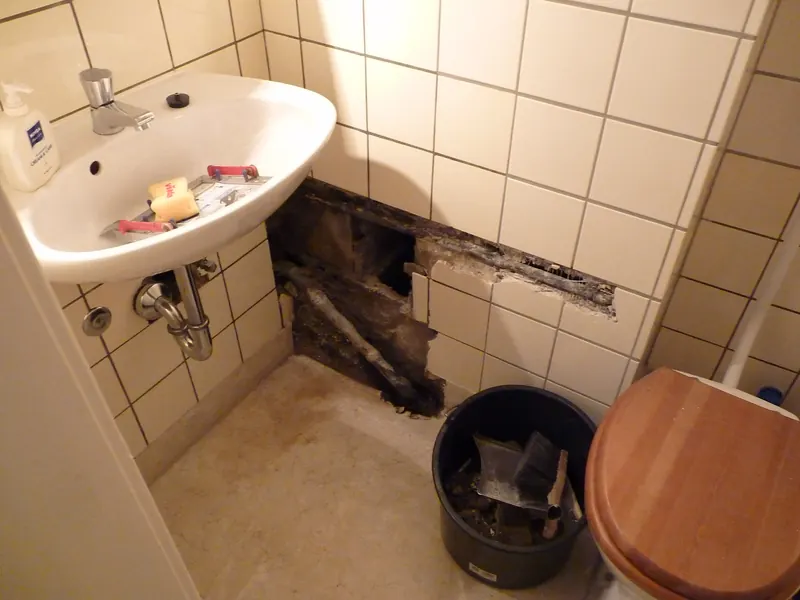
Kitchen Mold Removal in Waverly: Signs to Watch For
Hidden dampness may show up as panel swelling, recurring growth or a musty odor.
Swollen Kitchen Cabinets
Bulging particle board, a softened cabinet base or lifted laminate follows repeated exposure to water.
Water Stains Behind Kitchen Appliances
Stains and damp floors under neighboring cabinets follow a dishwasher leak or a leaking refrigerator water line.
Recurring Spots Within Your Sink Cabinet
Visible mold growth returns around pipe openings or along seams after the surface has been wiped.
Peeling Paint Appears on the Kitchen Ceiling
Above-kitchen leaks can leave drywall damp or cause staining and peeling paint.
Persistent Odor in Kitchen Cupboards
Your storage areas retain a musty smell despite regular cleaning.
What Happens During Kitchen Mold Removal
Your cleanup begins with assessment. Removal comes next, then cleaning, drying and final verification.
Kitchen Assessment
The inspection takes in walls adjoining your sink cabinet, the cabinet itself and appliance spaces. A moisture meter maps dampness; a thermal imaging camera can help locate temperature differences but cannot identify mold.
Kitchen Moisture Source and Scope
The water supply line, drain line and appliance connections are assessed. Before work begins, plans define cabinet access, leak repair and rebuilding as a separate task.
Kitchen Containment
Poly sheeting creates the containment barrier enclosing the work space. Selection for the affected area covers a HEPA air scrubber, protective equipment and negative air pressure.
Damaged Cabinet and Drywall Removal
Where needed, damaged drywall and other materials that cannot be saved are removed, including swollen particle board. Debris stays inside containment for bagging before being taken out of your kitchen.
Retained Surface Cleaning
For non-porous surfaces and sound wood, cleaning combines a HEPA vacuum with suitable surface cleaning. Removing mold on surfaces may be supplemented with antimicrobial treatment when appropriate.
Controlled Kitchen Drying
A dehumidifier supports drying alongside air movers once removal and cleaning finish. Before replacement of materials, moisture readings monitor the kitchen floor, wall framing and cabinet cavity.
Post-Remediation Check
The agreed post-remediation verification is completed along with cleaning and drying. Before containment is dismantled and repair after remediation begins, specified clearance testing is performed by an independent assessor.
Your Kitchen Mold Removal: Reasons to Choose Baltimore Mold Removal Services
Clear Scope Before Work
Affected cabinets and repairs outside cleanup are defined in your scope ahead of closing the kitchen work zone.
Contained Kitchen Work
Around cupboards you keep and neighboring rooms, containment with HEPA filtration limits spreading particles.
Kitchen Moisture First
Sink plumbing is traced during your assessment, as are condensation and appliance leaks, before removal starts.
Removal Through Final Checks
Damaged material is taken out and remaining surfaces undergo cleaning and drying, with verification required ahead of containment removal.
Calls Answered 24/7
One number is available across the metro to begin your kitchen cleanup, including during nights and weekends.
Kitchen Cleanup in Baltimore (city) County: Before You Begin
Keep damaged materials untouched while you schedule an assessment by phone.
- Stop water safely. If safe, operate a shutoff valve you can reach. Stay clear of wet electrical equipment.
- Pause nearby food preparation. Store your dishes and food away from both visible growth and the intended work space.
- Keep people clear. Affected cabinetry and flooring must remain off limits to children and pets.
- Leave panels in place. Do not begin to tear out cabinets or scrape growth.
- Avoid spreading particles. EPA advises leaving HVAC equipment off if contamination is suspected; never direct fans toward mold.
Understanding Kitchen Mold Removal Cost in Waverly
Kitchen cleanup, inspection and small leak repair have separate published price ranges here. Your cost reflects the square footage affected and access to the cabinets.
Kitchen mold removal
$1,200 to $10,000 per jobSource: Fixr, Mold Remediation Cost (checked 2026-10-23)Inspection only, no testing
$300 to $600 per inspectionSource: Fixr, Mold Inspection Cost (checked 2026-10-23)Small Leak Repair Addresses the Cause, Not Mold
$150 to $350 per repairSource: Fixr, Mold Remediation Cost (checked 2026-10-23)Kitchen Cleanup in Waverly: Factors Behind the Price
- Affected square footage
- Cabinet, drywall and flooring replacement
- Access behind fixed cabinets
- Drying and verification
- Containment and filtration
- Plumbing or appliance repairs
Understanding Your Kitchen Cleanup Price
These published national ranges are planning figures. Your on-site assessment defines the work and price before cleanup starts, including any separate source repairs or rebuilding.
Call (844) 352-3560 about costKitchen Mold Removal Service Area Across Greater Baltimore
Call (844) 352-3560 to arrange cleanup in Waverly or nearby communities. One number covers the metro.
Kitchen Mold Removal in Locations Near Waverly
ZIP codes
Frequently Asked Questions About Kitchen Mold Removal in Waverly
Will sink leaks and appliance leaks also get repaired?
Assessment of your kitchen establishes the moisture source and what corrections are needed with cleanup. Plumbing repairs, appliance work and ventilation changes are included only when listed in your scope. Repair plans for separate work are set before starting so new cabinetry and wall finishes do not cover a damp cavity or unresolved leak.
Should testing take place before kitchen cleanup or after it?
For visible mold, EPA guidance often does not call for air sampling. The cleanup area is determined through inspection and moisture checks. Following removal, checks confirm cleaning and drying before containment is taken down. An assessor independent of the cleanup conducts clearance testing when specified. Federal limits have not been set for indoor mold levels.
Can you cook or remain at home while your kitchen is being worked on?
Your affected kitchen space is unavailable throughout containment, removal and cleaning. Remaining at home may work if your essential access and occupied rooms are kept separate from the work zone. Preparing food and washing dishes require a separate suitable area. Restrictions are determined before the work by your home layout, household needs and ventilation.
When can kitchen cleanup in Waverly be finished?
Once your affected cabinets and appliance spaces, along with walls, are assessed, scheduling is set. Extra time may be needed to open fixed cabinetry and dry concealed floors. Moisture readings direct drying. Cleanup concludes with final checks; your kitchen may remain unavailable while cabinets are replaced, countertops worked on and appliances reconnected.
Is removal necessary for the full cabinet run?
Removal follows the damage and access needed for cleaning. When affected surfaces are reachable and can dry, sound cabinetry may remain. Particle board that has swollen or backing with damage may require replacement. Opening cabinets follows a scope that also addresses supporting countertops and reaching hidden damage in walls or flooring.
In Baltimore (city) County, how much does kitchen cleanup cost?
Your price is determined after evaluating hidden as well as visible damage. Consult the cost cards above for published ranges, each with source and unit information. Inspection is a separate service from small leak repair. Before work begins, you receive an explanation of scope and price, with cabinet access, drying, containment and replacement finishes influencing the total.
Could your sink cabinet develop mold again?
Mold can return if a plumbing leak or condensation problem remains. Tracing moisture under sink fittings and near appliances is the starting point for your cleanup. Affected materials are removed or cleaned and dried. To help prevent conditions that let growth develop in your cabinets, complete leak repairs and maintain moisture control.
Kitchen Cleanup: Understanding Insurance in Maryland
Coverage depends on the water source, policy exclusions, mold limits and deductible. Cleanup, plumbing repairs and cabinet replacement may receive different coverage decisions.
Kitchen Mold Safety During Your Greater Baltimore Cleanup
Your removal area uses containment with restricted access to help keep mold spores from spreading.
Dark Growth Under the Sink
According to CDC, you cannot judge mold risk from color.
Contaminated Water
If you find mold from sewage or contaminated water, seek professional cleanup.
Kitchen Access Limits
Reaching behind appliances safely depends on cabinet stability and the softness of your flooring.
Sensitive Occupants
For some people, mold can trigger symptoms of allergies and asthma, CDC says.
Cleanup scope: According to EPA, homeowners can often clean affected areas measuring under about 10 square feet. Larger areas, extensive water damage or HVAC involvement call for professional help.
Cleaning or Removing Kitchen Materials in Baltimore (city) County
Where feasible, sound surfaces are kept and cleaned. Porous materials with damage may need removing.
Non-porous surfaces
- Sound tile and metal are cleaned, as are glass and washable appliance exteriors, then dried.
Cabinet and wall materials
- Sound wood framing may be cleaned; swollen particle board and damaged drywall may need removal.
Kitchen contents
- Assessment treats stored items and cookware separately from fixed cabinetry, with protection from removal dust.
Kitchen Cleanup in Baltimore (city) County: How Long It Takes
Your schedule follows cabinet access, drying and repairs needed to reopen the room.
- Access: Disconnecting appliances and working around fixed cabinets can increase the work.
- Drying: Moisture readings establish when cavities in floors and walls can be closed.
- Reopening: Work to replace cabinets or reconnect appliances may continue once cleanup is over.
Understanding Kitchen Humidity and Odor in Greater Baltimore
Finding hidden mold takes more than an odor alone. A musty smell leads to an investigation of dampness and materials.
Keep indoor relative humidity under 60 percent, as EPA recommends, with 30 to 50 percent being ideal. Correcting leaks and ventilating your kitchen help manage dampness that returns.
Kitchen Cleanup Requirements in Maryland
Kitchen Work Requirements
Maryland does not have a working statewide license for mold remediators. A 2008 law created one under the Maryland Home Improvement Commission, but it was never put into operation and later expired.
Prompt Drying
Dry water-damaged items and areas within 24 to 48 hours to prevent mold growth, as EPA recommends.
Kitchen Repair Permits
Permit requirements depend on the plumbing, electrical or building work included.
State Mold Information
The Maryland Department of the Environment leads the state's mold information effort under the 2025 law, working with the Department of Health and other agencies. The law directs it to build a mold website and pamphlet and to write mold assessment and remediation standards by June 2027.
State guidance: Maryland General Assembly, SB 856 (2025) Fiscal and Policy Note, Maryland Tenant Mold Protection Act; Maryland General Assembly, Chapter 539 of 2025 (SB 856) enrolled text; Maryland General Assembly, SB 856 bill page (Approved by the Governor, Chapter 539); Maryland Workgroup on Mold Standards and Remediation report (HB 976 of 2023, submitted 2024)
Related Services and Next Steps
Start Your Kitchen Mold Removal in Waverly
Call 24/7 to arrange your assessment. Your cleanup starts with the affected surfaces, moisture source and access to your home.